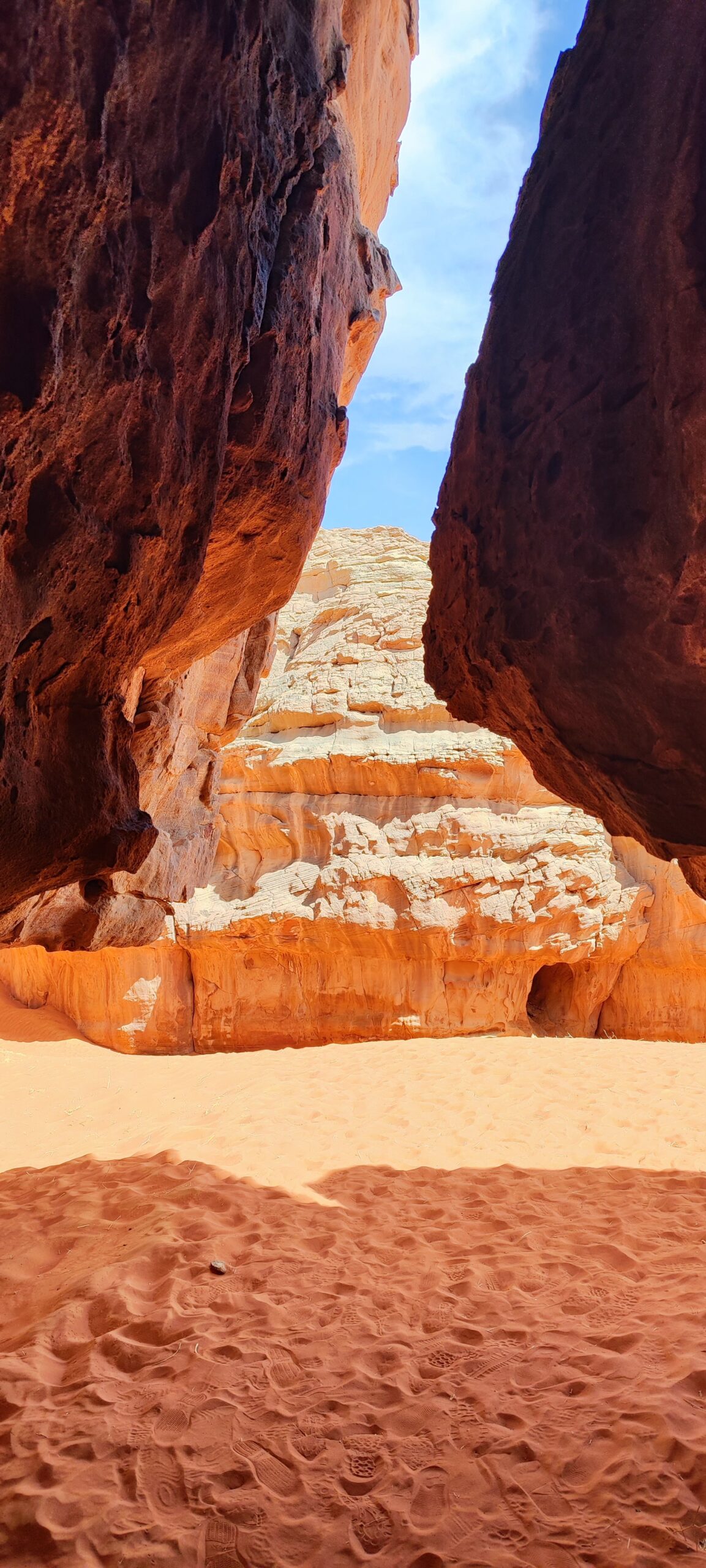
Djanet, the pearl of the Sahara
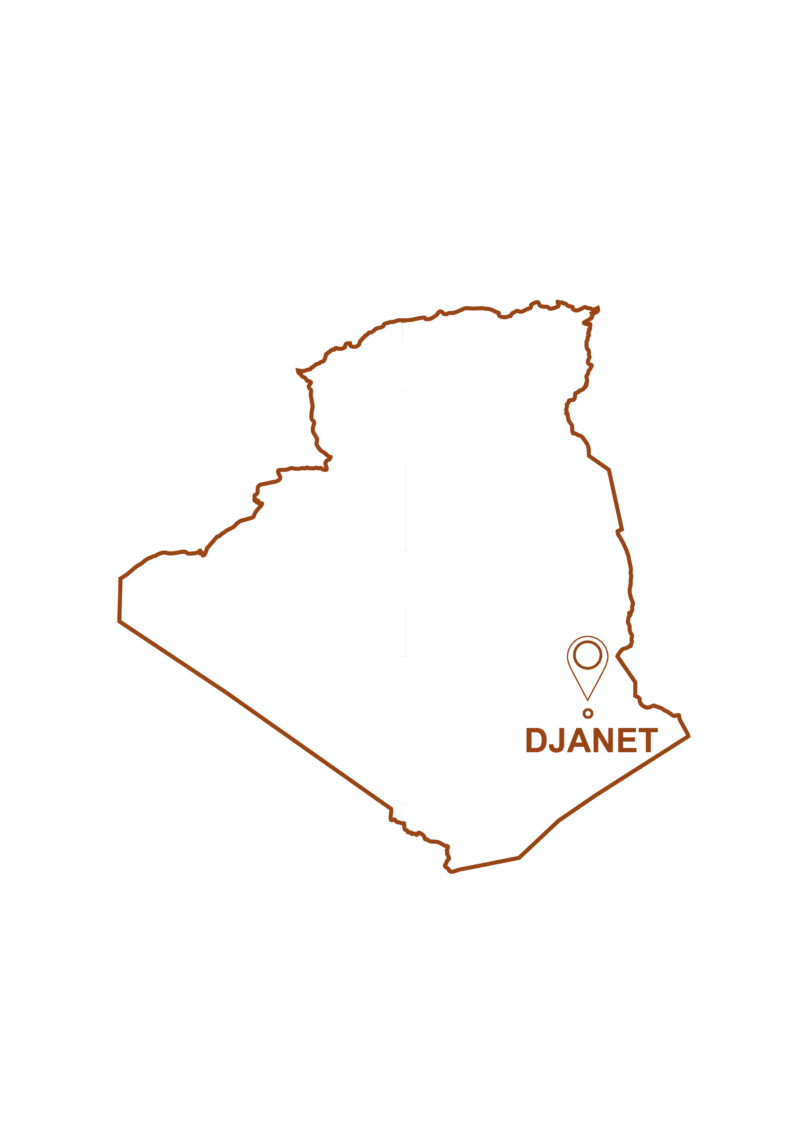
Dubbed the “pearl of the Sahara,” Djanet is the capital of Tassili n’Ajjer with a population of around 20,000 inhabitants, mostly Tuaregs. This oasis is the main city in the southeast of the Algerian Sahara.
Also known as Fort Charlet during the French Algeria period, Djanet is located to the east of the Admer Erg at an altitude of 1,050 meters. It is crossed by the Idjeriou wadi, which supplies water to the famous Djanet palm grove.
Its economy and main resources are created through the agricultural sector. While walking around, one can see plantations of potatoes, olives, beets, tomatoes, and other crops that contribute to local development.
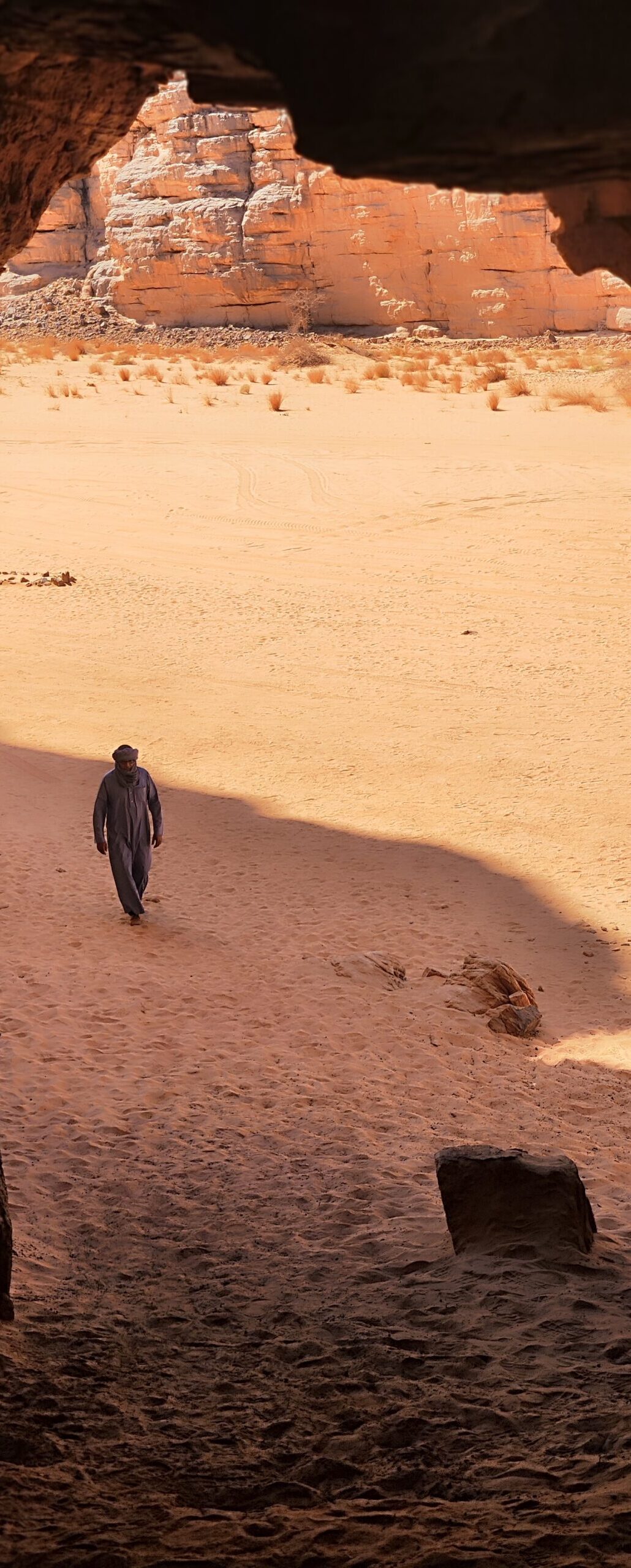
In recent years, Djanet has seen development in tourism, but it remains protected from mass tourism for the benefit of travelers. Djanet is a fantastic city that offers all the landscapes one can wish to see in the Algerian Sahara: oasis, gueltas, sand dunes, caves, and canyons, which constitute incredible landscapes.
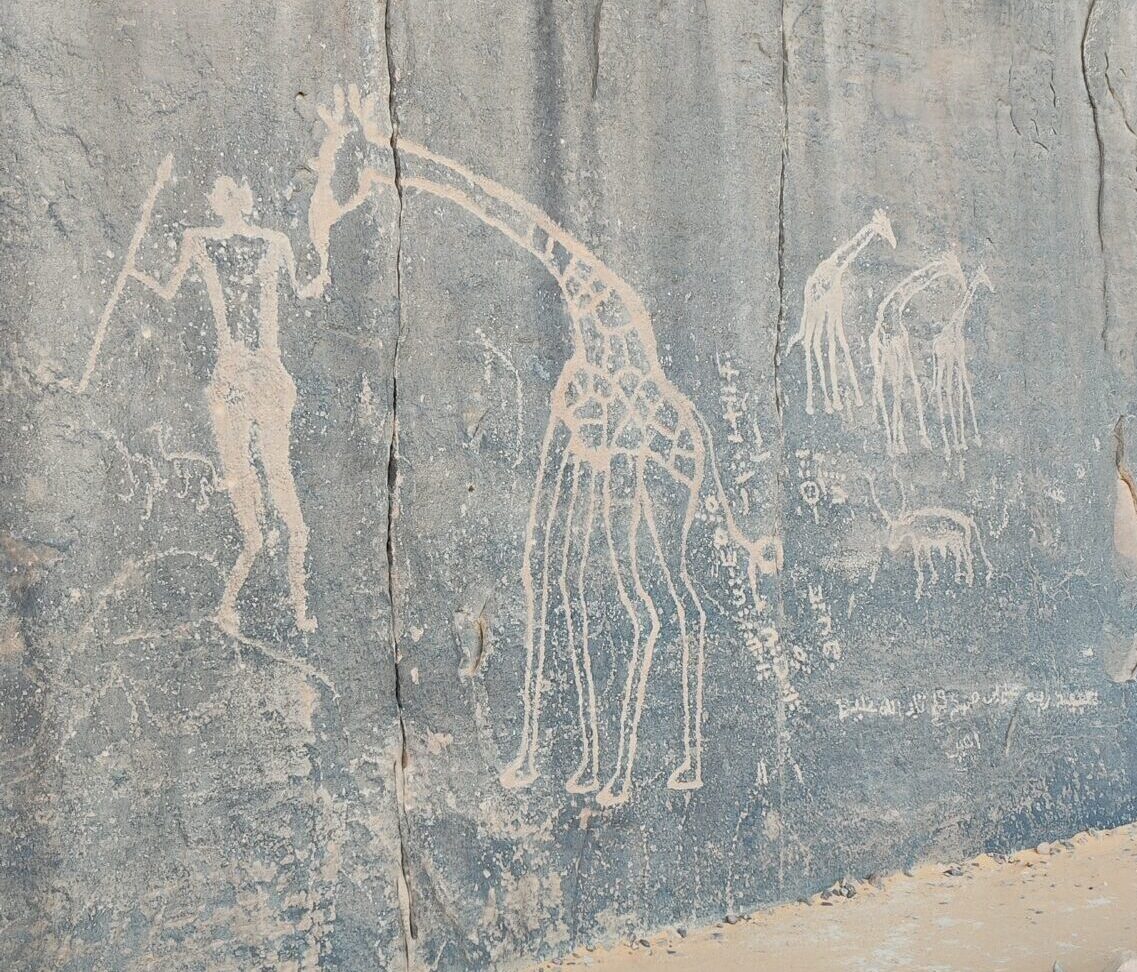
Classified as a UNESCO World Heritage site, Tassili n’Ajjer National Park is recognized as the largest open-air museum in the world with its many rock art works.
Meeting the Tuaregs
As soon as the word is mentioned, images of boundless desert, immense dunes crossed by long caravans of camels, and guided by these mysterious “blue men” dressed in their chech (turban) come to mind. But what is it really like today?
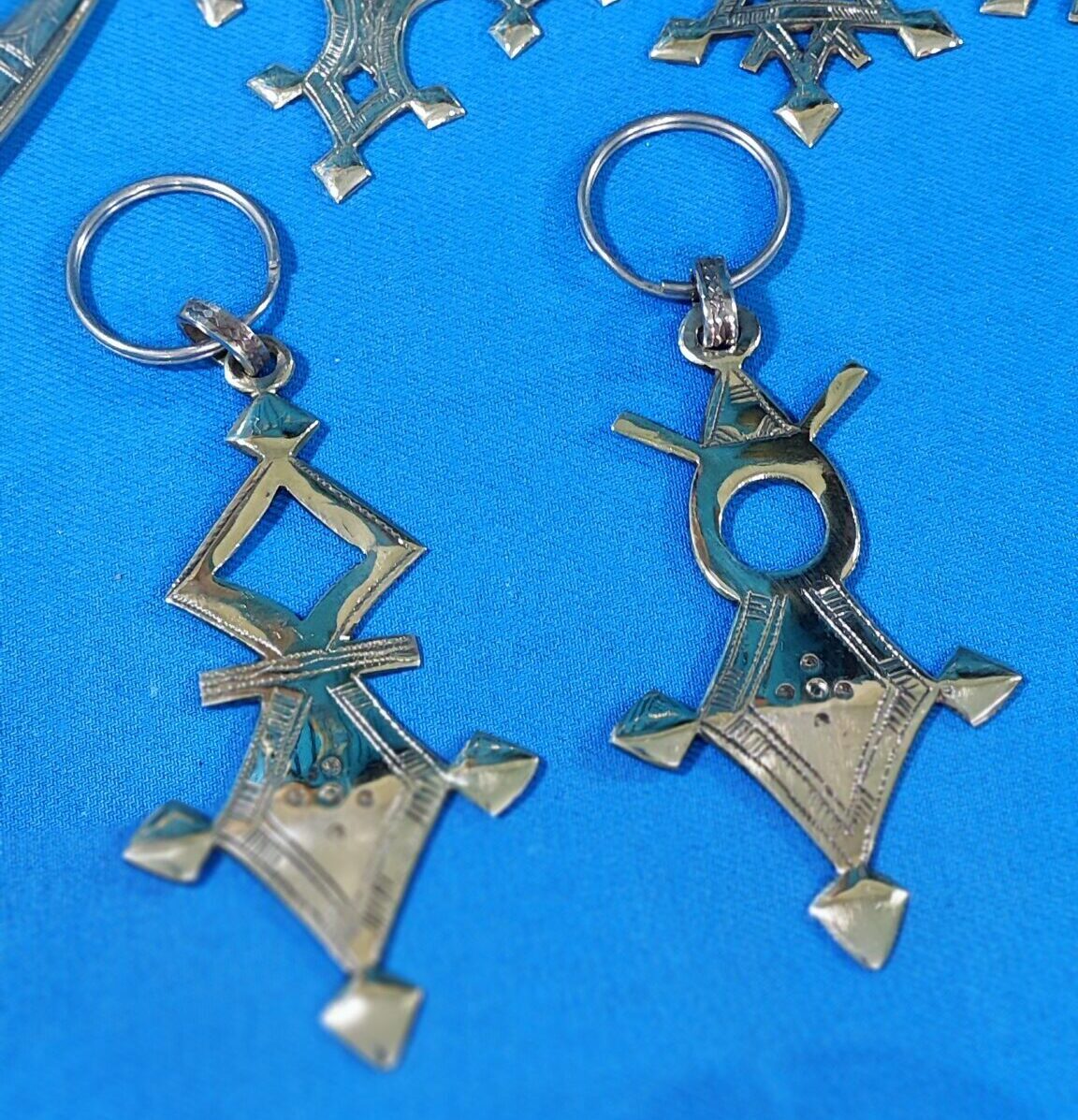
For centuries, the Tuaregs, who call themselves Imuhagh (free men), lived off livestock, traversing several countries (Libya, Algeria, Niger, Mali, Burkina Faso) at a time when borders did not exist. The presence of oases encouraged sedentarization, notably in Djanet. Nomads became farmers, artisans, or tourist guides.
Visiting Djanet is also and above all an immersion in the heart of the Tuareg culture, a people of great generosity and rich in its traditions.